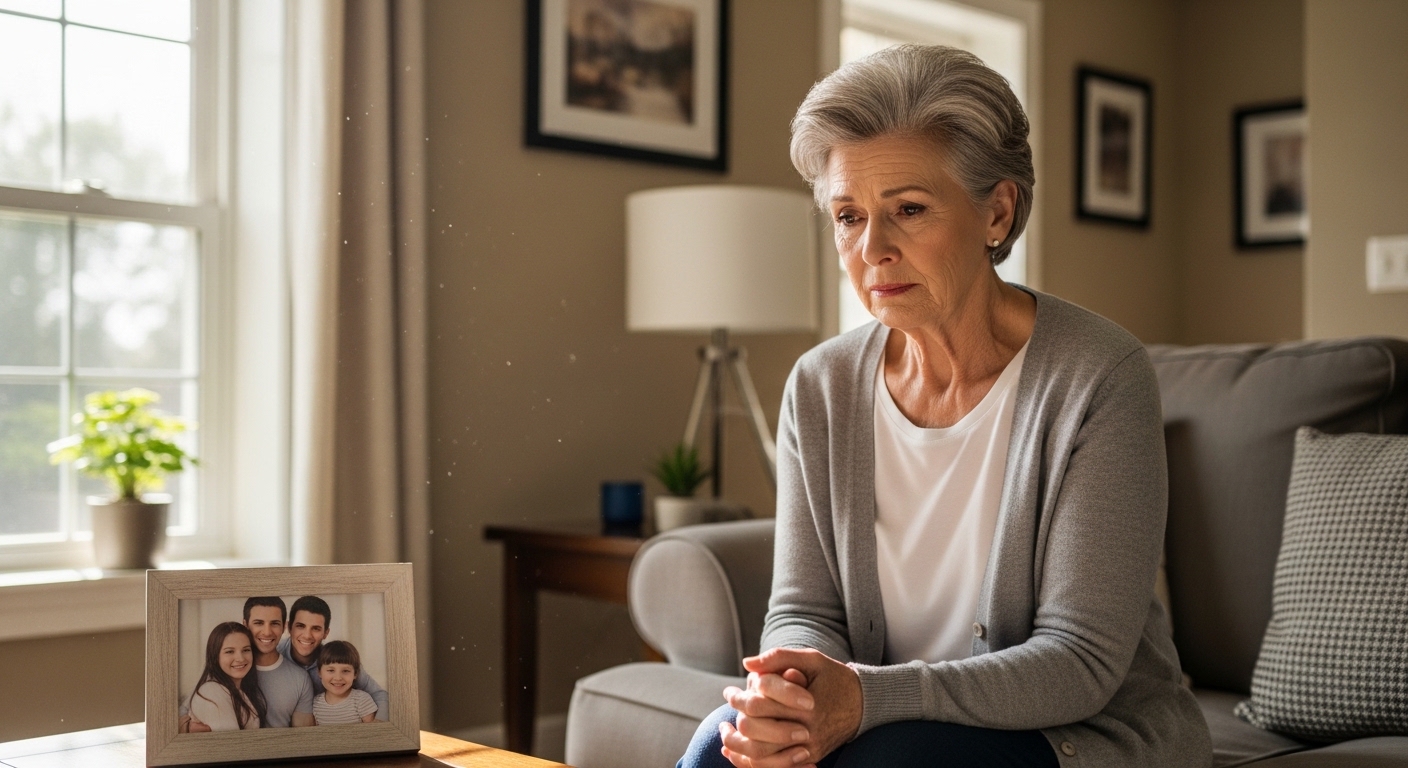
My name is Margaret. I’m sixty-one years old, and last month—on December 20—I buried my only son. Even writing that sentence still feels unreal. Some mornings I wake up reaching for my phone, half-expecting his name to light up the screen. For years, cancer dictated our lives—treatments, setbacks, and crushing fear. I told myself that if I could just love him through it, it would be enough. It wasn’t. He died anyway, and the silence he left behind is louder than anything I’ve ever known.
He left behind his wife, Ana, and their three children. For eight years, they lived in my house. At first, it wasn’t even a decision—it was instinct. My son was sick; they needed stability. I repeated one sentence until it felt like law: family takes care of family. So I opened my home completely. I paid the mortgage, utilities, and repairs. I bought groceries and school supplies. I sat awake at night listening to my son breathe, terrified that one day he wouldn’t.
The Shift After the Funeral
After the funeral, something shifted. The casseroles stopped coming, and Ana changed. She stopped talking about work or the future. She moved through the house with a sense of certainty, not grief. I was still paying for everything and cleaning, yet I felt like a guest in the home where I raised my child.
Every corner hurt—the couch where he napped after chemo, the table where he joked with the kids. I was drowning in memories while being expected to function as a silent provider. One evening, after an argument about expenses where Ana accused me of “counting pennies,” something broke. My voice shook, but I told her this house was not a free hotel. I told her I needed space to grieve and that it was time for her to find a place for herself and the children.
A Devastating Discovery
I expected shouting or tears, but she just went quiet. A few nights later, I went to the basement for photo albums and found my private boxes pulled out. Storage I hadn’t touched in years was open—deeds, insurance documents, and old drafts of my will were spread across a table. My heart slammed against my ribs.
When I confronted her, she wasn’t even embarrassed. She said calmly that she needed to “understand her children’s future.” She spoke as if my death was simply a logistical concern. That was the moment everything became clear: she wasn’t grieving with me anymore; she was planning around me.
I felt invaded and invisible. My only remaining value was what I owned, not who I was. This wasn’t a daughter-in-law seeking reassurance; this was someone calculating how long she could stay once I was no longer useful.
Choosing to Survive
Now my family is divided. Some whisper that I’m heartless for pushing out a widow and children “too soon.” Others tell me I’ve given more than anyone could ask—that grief doesn’t mean I stop having boundaries or a right to my own home.
I loved my son more than life itself, but loving him doesn’t mean erasing myself. It doesn’t mean surrendering my privacy or my remaining years to guilt. I’m still grieving, and I always will be. But I am also still here. I don’t know if protecting my peace makes me cruel—or simply human.