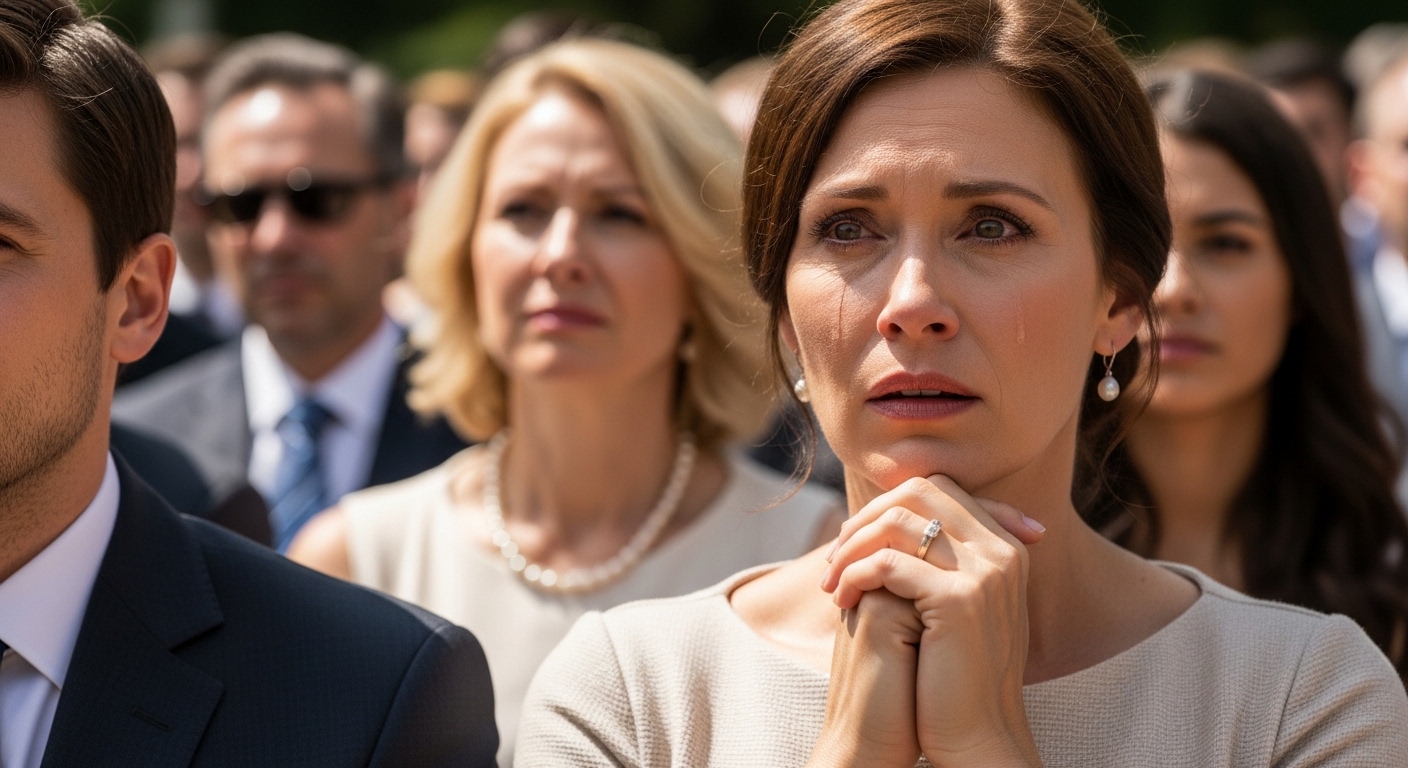
I raised Marcus for fourteen years, starting when he was just a four-year-old with untied shoelaces. I was the one who packed the lunches, sat through every parent-teacher conference, and cheered the loudest at his games. Even after my divorce from his father three years ago, I stayed. I remained his sounding board, his soft place to land, and his constant guide. I never stopped being his mother in every way that mattered.
At his high school graduation, the students were invited to thank those who helped them reach the finish line. I sat in the stands, heart full, waiting for that small acknowledgement of our decade and a half together. Instead, Marcus stood up and thanked “my parents—my dad and my dad’s wife.” The woman who had been in his life for less than two years was honored; I was invisible.
The hurt was a physical weight. After the ceremony, I found him in the crowd. I didn’t yell. I simply said, “Marcus, I’m really proud of you. I just want you to know that even if you don’t remember, I do,” and then I walked away.
The backlash was immediate and venomous. His father accused me of public embarrassment. His new stepmother called me bitter. Then came the text from Marcus that felt like a final door slamming shut: he claimed I had “ruined his special day” and reminded me that I wasn’t his “real mom.”
I am now grappling with the peculiar grief of losing a child who is still alive—a child I shaped, who has chosen to rewrite his history to exclude me. I learned the hardest lesson of step-parenting: you can give your whole heart to a child, but you cannot force them to honor the hands that raised them.