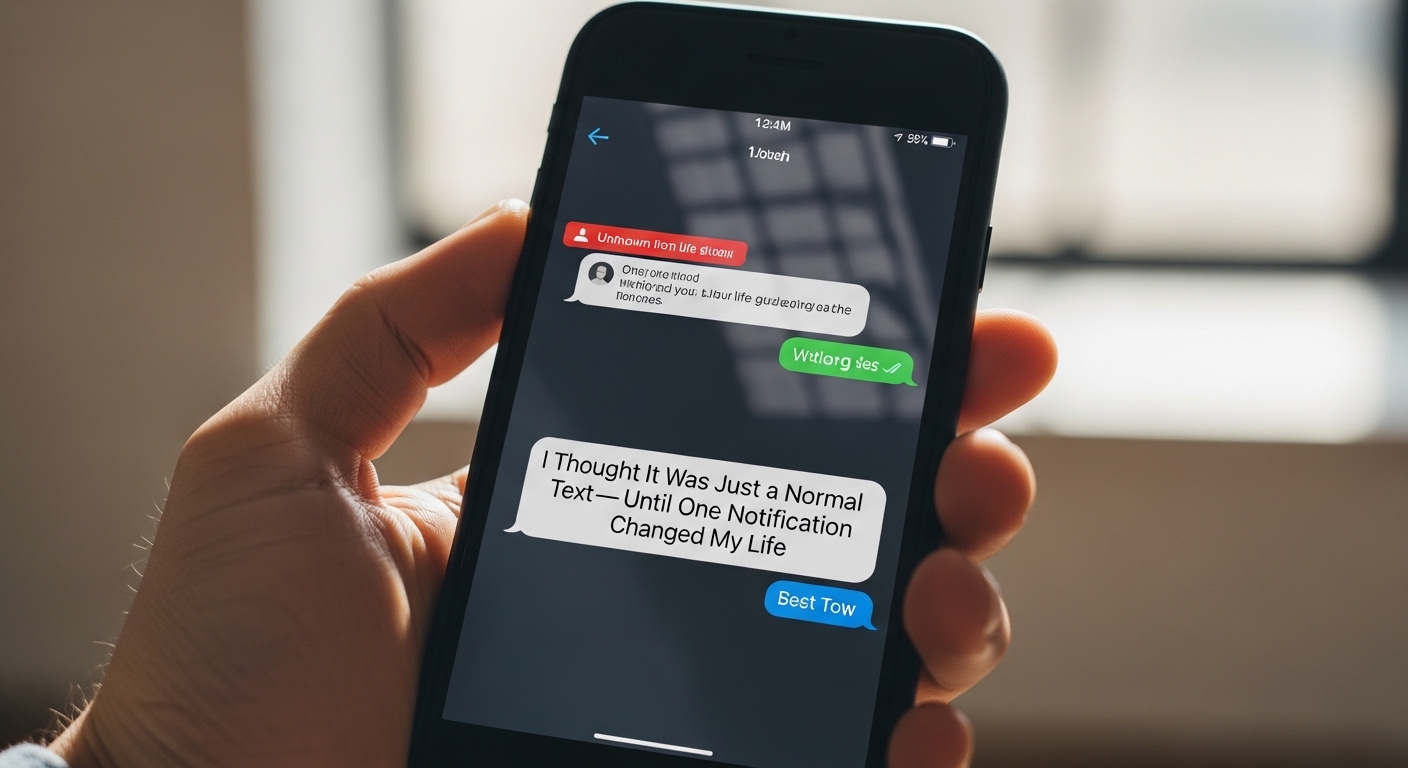
The notification didn’t announce itself. No vibration. No sound. Just a quiet line of text sitting on my phone screen—so normal it almost escaped notice. That was what made it terrifying. Eight days had passed since my wife’s funeral. Eight days of learning that silence has weight—that it presses on your chest and fills empty rooms. I was just beginning to function inside that silence when I saw it: A charge from our joint bank account. Car rental.
My heart dropped. Of all possible transactions, this one made no sense. Not groceries. Not a utility bill. This was intentional. Grief snapped into panic. I grabbed my keys and drove without thinking, my hands shaking so badly I nearly missed a red light. Logic chased me the entire way—system error, bank glitch—anything boring enough to put the universe back where it belonged.
At the rental office, I spoke too fast. “There’s a charge on our account. My wife passed away last week. This has to be a mistake.” The clerk started to nod politely, the way people do before they apologize. Then I showed him her photo. Something changed. Recognition. He leaned back, glanced toward the back office, and lowered his voice: “This woman was here.”
The words didn’t connect. “She wasn’t confused,” he added carefully. “She knew exactly what she wanted.” He gave me details I hadn’t asked for: the time she came in, the way she smiled when he handed over the keys, the destination she mentioned casually. Each sentence felt misplaced, like hearing memories from a life that wasn’t mine. I walked out without arguing.
Outside, the afternoon continued shamelessly. I sat in my car, staring at the steering wheel, realizing that certainty can shatter without making a sound. Maybe the clerk was mistaken. Maybe grief had sharpened my fear into a hallucination. Or maybe the truth wasn’t dramatic—just unfinished. That night, I didn’t chase answers; I replayed voicemails and read her old notes. The charge was still there, but it no longer felt like an accusation. It felt like a signal.
I remembered something she used to say: Some endings aren’t real endings. They’re just pauses we misunderstand. The next morning, I drove to a place we once promised we’d never forget—a quiet spot outside the city near a wooden bridge. Under a loose stone by the water, I found her wedding ring, a USB drive, and a handwritten note.
“If you’re reading this, the notification worked. I’m alive. Don’t trust the police. Don’t trust the news. Take the drive to the lawyer whose name I circled. Only him.”
Three days later, the truth surfaced. The accident had been staged. The paperwork manipulated. The betrayal came from someone close enough to know every detail. My wife hadn’t vanished; she had escaped. The car rental wasn’t a mistake—it was the only way she could reach me without putting herself back in danger.
When I finally saw her again, she looked thinner, exhausted—but real. “I’m sorry,” she whispered. “I had no other choice.” I held her and said the only truth that mattered: “You didn’t disappear. You found a way back.”
That’s when I understood something I’ll never forget. Some notifications change your day. Some change your life. And some—quiet, ordinary, easily ignored—are the sound of a story refusing to end.