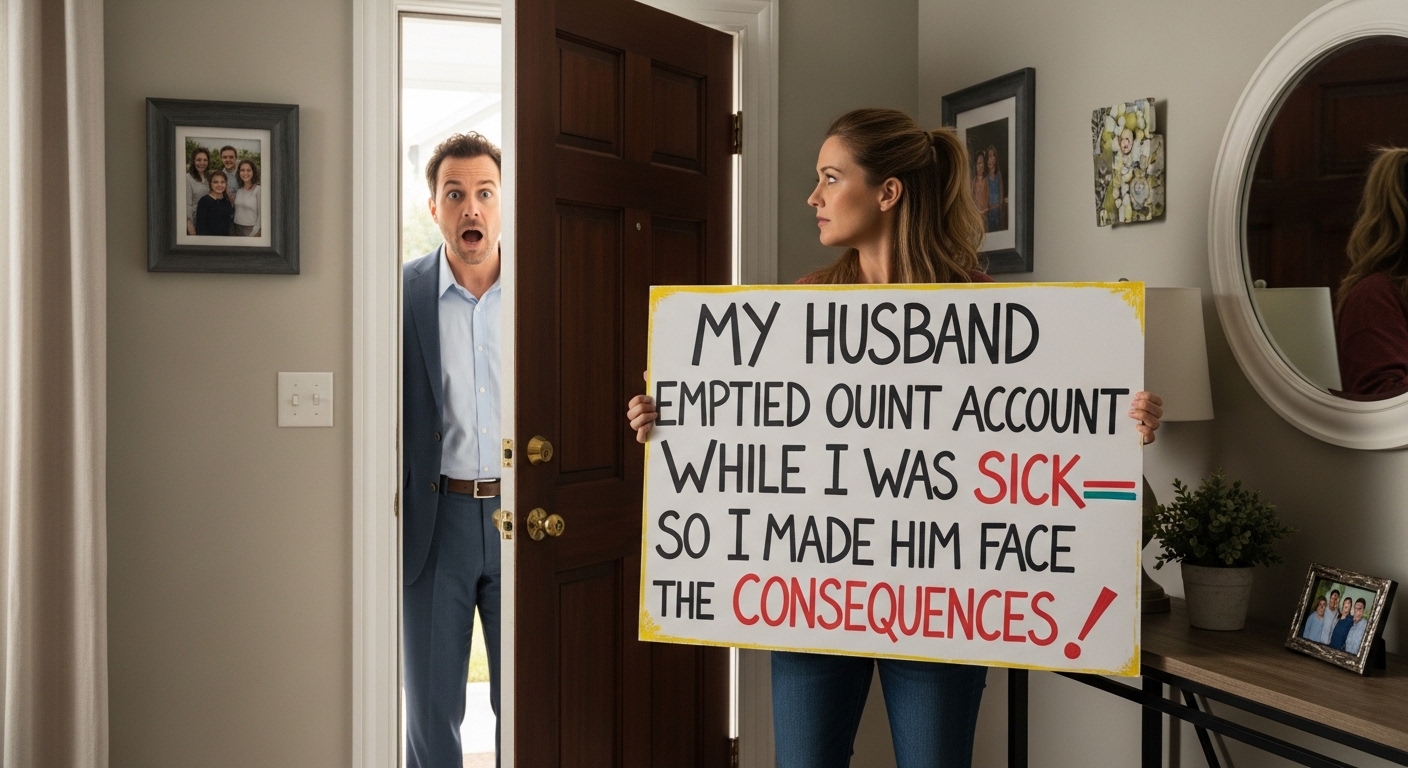
I am 37 and was diagnosed with cancer seven months ago. As I began to recover, my husband emptied our joint account and abandoned me, claiming it was “too hard watching me suffer” and time for him to “move on.” I simply smirked at his words.
What he didn’t realize was that my original will left my entire estate to him. Since we have no children, I initially trusted him to honor my memory. However, after he threw me under the bus, I changed it. Every cent he expected to inherit will now go to a cancer foundation that supports abandoned patients like me. He will receive nothing but silence.
After brutal months of chemotherapy, surgeries, and agonizing pain, I am now cancer-free. I wept at the word “remission,” having fought like hell for my life entirely alone. Now, he’s back, acting like a lost puppy, crying and begging. He claims he always believed I’d beat it but couldn’t handle the stress and needed to “protect his peace.” I didn’t argue; I simply told him I had other plans.
That weekend, I attended a mutual friend’s party with someone new—someone kind and truly supportive. My ex froze when he saw us. I smiled, held my date’s hand, and walked past. The man who left me expected me to be waiting; instead, he had a front-row seat to me thriving without him. I just couldn’t handle the stress—I needed time to protect my peace.
What can we learn from this story?
Silence is stronger than words: You don’t need to justify or explain. A simple shrug and walking away cuts deeper than any speech. Let him stew in the reality of what he lost.
Forget the guilt: Toss any guilt about not forgiving him. Leaving when you were most vulnerable is a character reveal, not just a “bad day.”
Ignore the gossip: Don’t let others pressure you into “healing the marriage” for the sake of appearances. You fought cancer alone; you can handle the whispers of others while you thrive.
Heal inside and out: Recovery is more than physical. Whether it’s therapy or screaming into a pillow at 2 a.m., your healing process doesn’t have to look graceful to be valid.