When our daughter Lily was born, my husband cried tears of joy, holding her as if she were made of fragile glass. I believed that moment had sealed our bond forever.
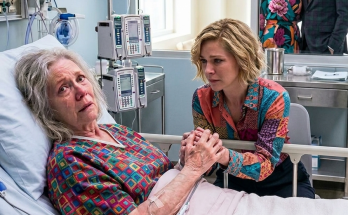
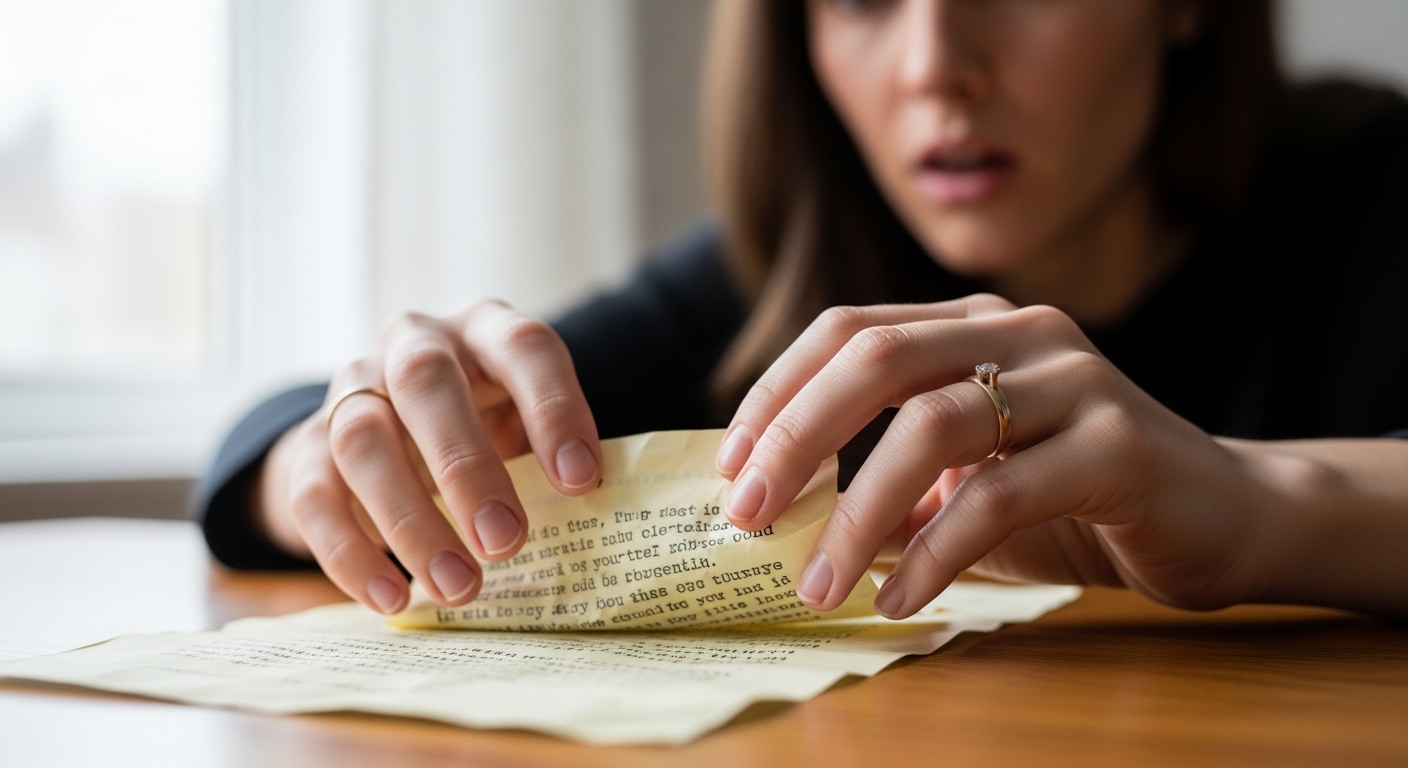
Years later, the world stopped turning. He came home pale and trembling, clutching a paternity test. “Zero percent,” he choked out. “She’s not mine.” Logic was useless against that paper. Within days, he stopped holding Lily, moved to the couch, and could no longer look me in the eye. Our life shattered under the weight of an impossible betrayal.
Desperate to prove my innocence and save my family, I brought every medical record to our doctor. After a long silence, the doctor asked a question I never expected: “Has your husband ever had a bone marrow transplant?”
The answer was yes. The doctor explained a rare phenomenon: a bone marrow transplant can actually change the DNA in a person’s blood and saliva to match the donor’s DNA. The “proof” of my infidelity was actually just a biological echo of the person who had saved his life years ago.
When he heard the truth, he sat in a deafening silence before whispering, “I destroyed my family.”
We aren’t fully healed yet; trust is easier to break than to mend. But he holds Lily again, and when she says “Daddy,” he hears it like it’s the first time. I learned that fear can be much louder than the truth—and that love is truly tested by what you do after your doubts are proven wrong.