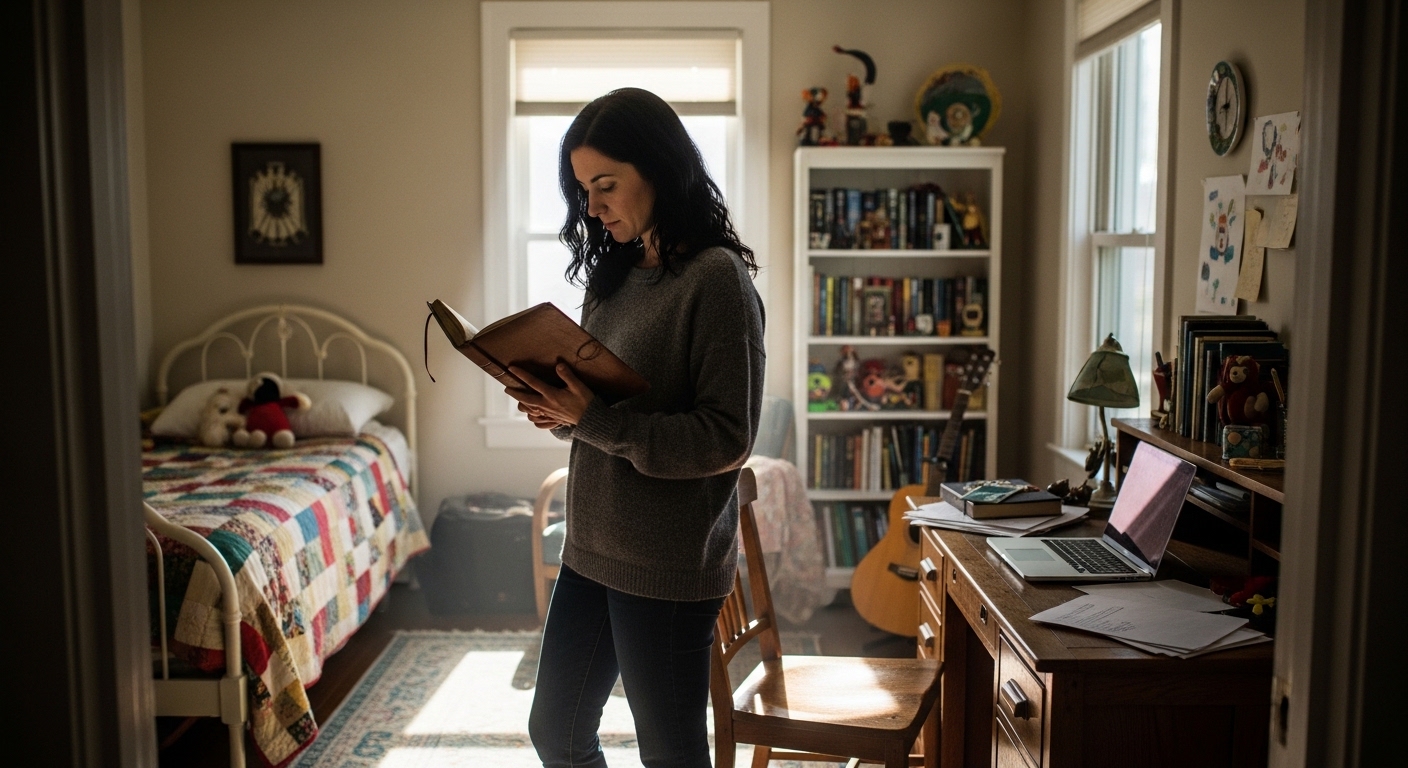
I thought I was doing the right thing. After my best friend’s mom died in August 2025, her world tilted off its axis. Grief came in waves—some days she was steady, others she couldn’t leave her bed. I knew her crowded, loud apartment wasn’t helping, so I offered her my childhood home. It had been empty since my parents downsized, still smelling of old books and lemon cleaner. I thought it would give her room to breathe.
At first, it felt right. She sent pictures of the sunset and said the silence helped. But eventually, her replies grew slow and short. When she stopped responding for three days, a knot formed in my stomach. I drove to the house, heart pounding, telling myself I was just dropping off groceries.
When I arrived, the lock was different. New. My key didn’t fit. Panicking, I pushed the door open, bracing for the worst. Instead, I froze.
There she was, sitting on the couch. And next to her—holding a mug of tea—was my mom.
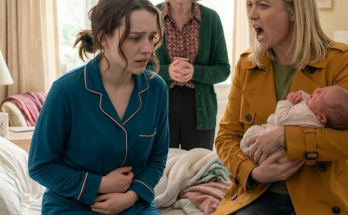
Both had red, swollen eyes and tear-streaked faces. They were in the middle of a raw, honest conversation. My mom looked up gently and said, “Oh, you’re home early.” My best friend jumped up, guilt and relief on her face. “I was going to tell you,” she said. “I swear.”
When I asked about the locks, my mom explained she had suggested it so my friend would feel secure. My best friend’s shoulders slumped. “I didn’t want to put everything on you,” she whispered. “You’ve been incredible. But sometimes… I needed a mom. And you don’t get to replace that, even if you love me.”
Something inside my chest cracked open. All this time, I thought the silence meant I was losing her or that I had failed her. Instead, she had been building a bridge I didn’t know she needed. I sat down with them, my fear melting into something warmer.
Grief hadn’t pushed her away. It had simply taught her that healing doesn’t come from one place—and that real love doesn’t compete. It makes room.